What to Do in the First 30 Days After Launching a Podcast
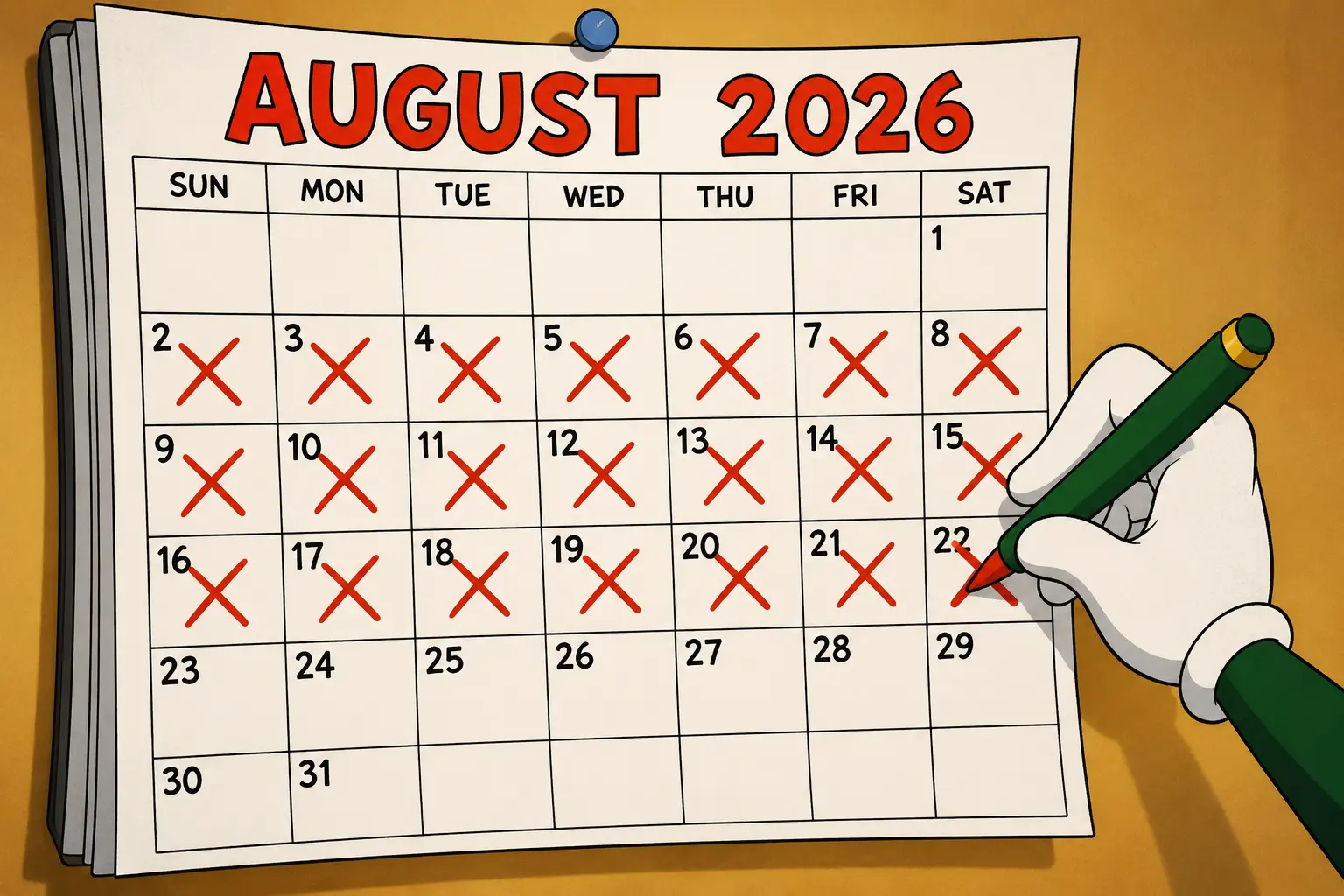
A solid podcast launch plan includes pre-production to publishing, but perhaps most importantly, a clear strategy for what you’ll do in the first 30 days after your podcast goes live.
Publishing the first episode feels like the finish line because it is the first moment the show exists outside your planning documents. It is not the finish line.
The first 30 days after launch are when you find out whether the podcast can operate as a real show. You learn whether listeners understand the premise, whether the production workflow holds up, whether guests and approvals are manageable, and whether your promotion plan is built around actual behavior instead of optimistic guesses.
This does not mean you need to spend a month refreshing download numbers. It means you need a simple operating plan for turning a launch into a repeatable content program.
Days 1–3: Confirm That The Show Works Everywhere
Start with the basics. Open the show on the major platforms where you intended to publish it. Play the episode. Check the title, description, artwork, links, chapter information, captions, and any calls to action.
It is easy to assume that a successful upload means a successful launch. Distribution systems still have their own timing, metadata rules, and display behavior. Spotify says most platforms publish a submitted show within a few hours, although some services review shows manually.
It also notes that new or updated episodes generally appear within a few hours, with up to 24 hours allowed for updates to propagate.
Apple Podcasts validates an RSS feed and reviews a show before making it available in the catalog. If something is wrong, you want to find it while the launch is still fresh, not three weeks later when someone tells you the episode description is missing half its links.
Create a short quality-control list and have someone other than the host use it. A second set of eyes catches errors that familiarity hides.
Days 4–7: Listen For Understanding Not Compliments
Ask a small group of people in the intended audience to answer five questions:
1.Who do you think this show is for?
2.What did you expect to get from the episode?
3.What part was most useful or memorable?
4.Where did your attention drop?
5.Would you listen to another episode? Why or why not?
These questions are more useful than “Did you like it?” Most people will say yes to that question because they are being polite. You need to know whether the show is clear enough to earn a second listen.
Pay attention to the words people use when they describe the show. If your audience repeatedly explains it in a way that differs from your intended positioning, that is not a problem to hide.
It is information. You may need to revise the show description, the opening minute, the episode titles, or the way you introduce the premise. Do not rewrite the identity of the podcast after three messages from friends who are not the target audience. Feedback is useful when it comes from the people you are trying to reach.
Week 2: Turn One Episode Into a Small Content System
There’s dozens of ways to promote a podcast across a multitude of channels, making it easy to get overwhelmed. Focus on 2-3 strategies that you know you can execute well.
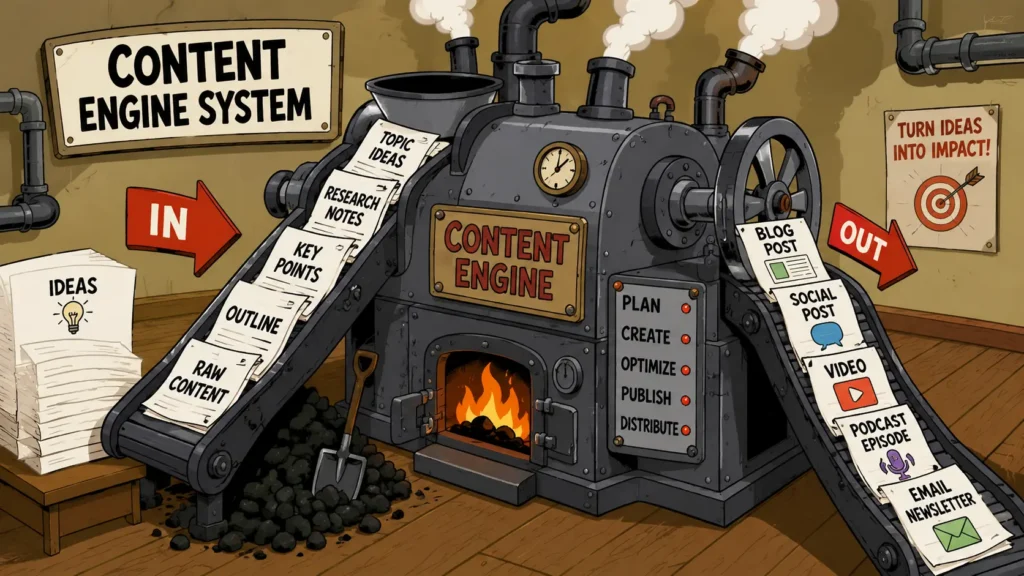
Pull out one clear argument, one practical takeaway, one strong quote, one short clip, and one question that could start a discussion. Use the full episode for people who want the conversation. Use the shorter pieces to introduce the subject to people who do not know the show yet.
For a professional or executive podcast, this may mean a LinkedIn post built around the guest’s answer to a specific business question, a short clip for social, a concise email to the company’s audience, and a follow-up resource on the website. For a creator show, it may mean a short video, a behind-the-scenes note, and a direct question to listeners.
The goal is not to make the episode look busy. The goal is to give each useful idea a reasonable path to the people who would care about it.
If you are using YouTube, remember that YouTube treats a podcast as a playlist of full-length episodes, not a collection of unrelated clips. YouTube’s guidance recommends organizing full episodes in the order they should be consumed and allows creators to create a podcast in YouTube Studio or submit an RSS feed.
Short clips can support discovery, but they rarely results in new listeners.
Week 2: Check The Production System While The Evidence Is Fresh
The first episode is also a workflow test.
How long did it take to move from recording to final delivery? Where did the project slow down? Did the host need too many revisions? Did you label files consistently? Did anyone have to search through email for the final artwork or approved description?
Write down the answers while you still remember them. Then fix the bottleneck before the next episode. Sometimes the problem is technical. The remote recording had unstable audio. The camera files were too large to manage. The edit was delayed because the guest name was misspelled in three places.
More often, the problem is ownership. Nobody knew who was responsible for show notes. The approval process had no deadline. The person publishing the episode did not have the final links.
A professional podcast does not become reliable because everyone works harder. It becomes reliable because the process is clear enough to repeat.
Week 3: Measure Signals That Help You Make Decisions
Early analytics can be noisy. A new show may have too little data to support dramatic conclusions, especially after one episode. That does not make measurement useless. It means you should measure the signals you can act on.
Look at whether people are reaching the show, whether they start the episode, how long they listen or watch, which links receive clicks, and which promotional formats create meaningful responses. For YouTube, available podcast analytics include views, watch time, average view duration, audience-retention moments, traffic sources, and top content.
The question is not “Did we go viral?” The question is “What should we repeat, improve, or stop?”
If listeners leave during a long, unstructured introduction, tighten the opening. If a specific topic drives qualified conversations, develop it further. If a clip receives attention but sends no one to the full episode, improve the connection between the clip and the next action.
Do not confuse reach with relevance. A professional-services podcast may have modest public numbers and still create valuable conversations with the right prospects, clients, recruits, or partners.
Week 4: Decide What The Next Month Can Support
By the end of the first 30 days, you should be able to answer a practical question: what can this show sustain?
Review the original format, production time, publishing cadence, guest pipeline, content assets, and audience response. Then choose one or two changes for the next month. Not ten.
You may decide to keep the format and improve the opening. You may reduce the frequency to protect production quality. You may record in batches. You may stop creating video because the show does not justify the additional workload, or commit to video because it is clearly helping the audience find and use the content.
Maybe you’ll also discover that your launch plan was too narrow. A podcast can become a useful source of articles, newsletters, social content, sales enablement, executive communications, and customer education. That only works when the production process captures those opportunities deliberately
Our Podcast Launch Blueprint is designed to help you establish the planning and publishing foundations before the first episode goes live. The first 30 days are where you turn those foundations into a working rhythm.
Your first episode does not need to prove the entire future of the show. It needs to give you enough evidence to make the next decision well.
Confirm the distribution. Listen for understanding. Reuse the strongest ideas. Fix the workflow. Watch the right signals. Then build the next month around what you learned.
That is how a podcast becomes more than a launch.
🎙️ Free Tools To Start & Grow Your Podcast
Building a better podcast takes more than hitting record. Use these free tools from The Podcast Haven to plan smarter, optimize your content, and reach more listeners.
🎙️ Free Podcast Tools & Resources
Use these free tools from The Podcast Haven to plan, launch, and grow your podcast.
Need a Podcast Name?
Get show name ideas with our Podcast Name Generator
Already Have a Name?
Check its availability with our Podcast Name Checker
Not Sure What Gear You Need?
Get personalized recommendations with our Podcast Equipment Finder
Improve Your Podcast SEO
Analyze your titles, descriptions, and discoverability with our FREE Podcast SEO Grader
Get a Free AI Podcast Audit
Get personalized growth insights with our Podcast Growth Report
Keep Learning
Find more podcasting tips and tutorials in The Podcast Haven Blog Archives